Introduction to Slackbot's New Integration
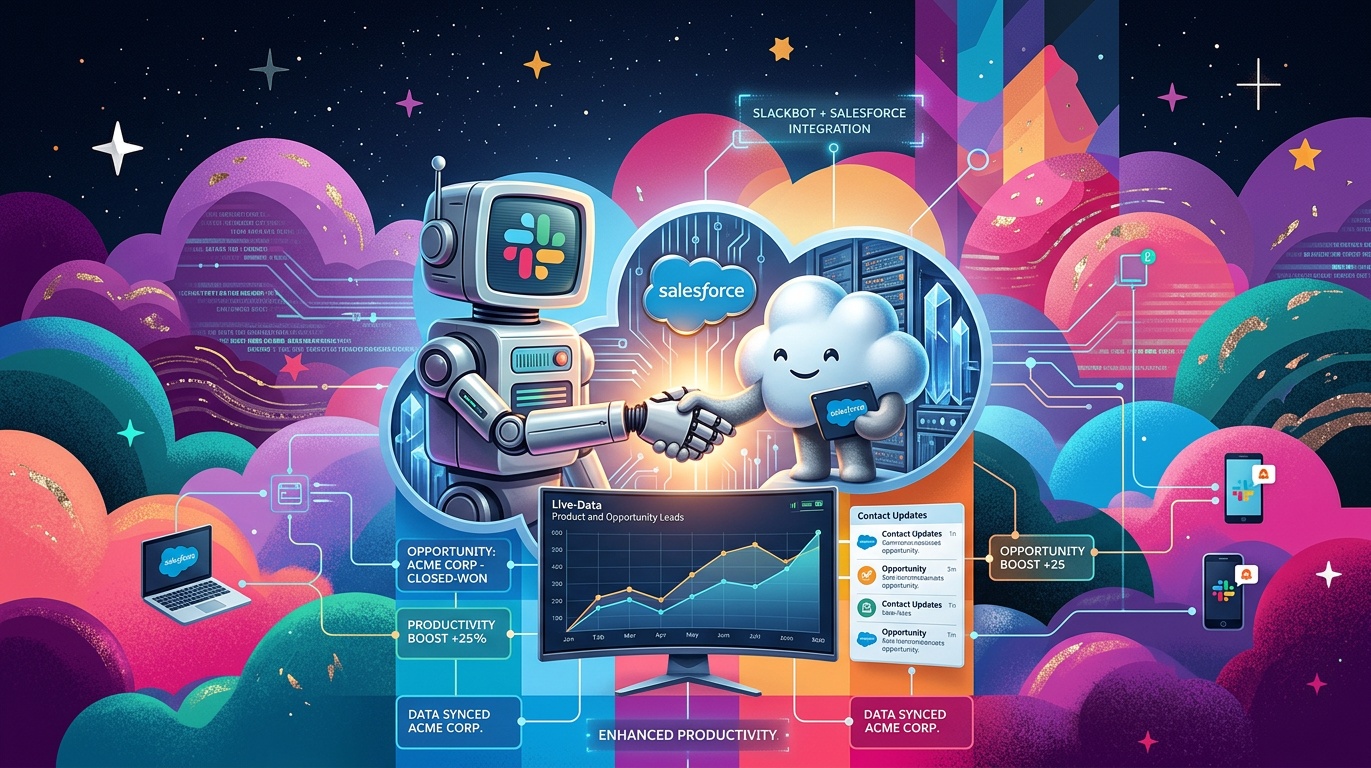
Five years after Salesforce acquired Slack, the two products are finally starting to function as a single system. On Wednesday, Slack launched an integration that connects Slackbot to the entire Salesforce platform, including CRM data, Tableau analytics, Data 360 customer profiles, and a growing constellation of third-party applications, all through a single conversational prompt.
This integration is a significant step forward for sales teams, who can now access critical information and perform tasks without ever switching tabs or logging into another application. The mechanism behind the expansion is a set of dedicated Model Context Protocol (MCP) servers from Salesforce that connect Slackbot to the company's Headless 360 infrastructure.
The integration is made possible by the use of natural language processing (NLP) and machine learning algorithms, which enable Slackbot to understand and respond to complex queries. This allows sales teams to ask Slackbot questions like 'What is the current pipeline for our top 10 customers?' or 'What is the average deal size for our sales team?' and receive accurate and up-to-date information in response.
Furthermore, the integration also enables sales teams to use Slackbot to perform tasks such as updating CRM records, sending emails, and triggering workflows. This streamlines workflows and reduces the need for manual data entry, saving time and increasing productivity for sales teams.
Benefits of the Integration
The benefits of this integration are numerous. Sales teams can now ask Slackbot for a customer's deal history, receive a live Tableau visualization of pipeline trends, update a CRM record, and trigger a DocuSign approval – all from a single chat message. This streamlines workflows, reduces the need for manual data entry, and saves time for sales teams.
According to Slack, the Salesforce IT team has already used this architecture to save its 1,500-plus engineers thousands of custom coding hours annually. This is a significant cost savings and a testament to the power of the integration. Additionally, the integration also enables sales teams to make data-driven decisions, by providing them with real-time access to customer data and analytics.
The integration also enhances the overall user experience for sales teams, by providing them with a single platform to manage all their sales-related tasks and activities. This reduces the complexity and clutter associated with using multiple different applications and tools, and enables sales teams to focus on what matters most - selling and growing their business.
Moreover, the integration also enables sales teams to collaborate more effectively with other teams and stakeholders, such as marketing and customer success teams. By providing a single platform for all sales-related activities, the integration enables sales teams to work more closely with other teams, and to share information and insights more easily.
Competitive Pressure and Future Developments
The timing of this integration is not accidental. Slack is making this move amid escalating competitive pressure from Microsoft Teams, which claims 320 million-plus monthly active users. As the collaboration platform market continues to evolve, it's likely that we'll see even more innovative integrations and features from Slack and its competitors.
Some potential future developments could include further integration with other Salesforce tools, such as Marketing Cloud or Commerce Cloud. We may also see the development of new AI-powered features that help sales teams identify and pursue new opportunities. For example, Slackbot could be integrated with Salesforce's Einstein AI platform, to provide sales teams with predictive analytics and recommendations.
Additionally, we may also see the development of new integrations with other third-party applications and tools, such as Google Drive or Trello. This would enable sales teams to access and manage all their sales-related data and activities from a single platform, and to collaborate more effectively with other teams and stakeholders.
The competitive pressure from Microsoft Teams and other collaboration platforms will also drive innovation and growth in the market. As the market continues to evolve, we can expect to see new and innovative features and integrations from Slack and its competitors, all aimed at providing sales teams with the tools and capabilities they need to succeed.
Technical Details and Implementation
The integration is built on top of Salesforce's Headless 360 infrastructure, which provides a scalable and secure platform for integrating with other applications and tools. The integration uses a set of dedicated Model Context Protocol (MCP) servers from Salesforce, which connect Slackbot to the company's CRM data and analytics.
The integration also uses natural language processing (NLP) and machine learning algorithms to enable Slackbot to understand and respond to complex queries. This allows sales teams to ask Slackbot questions and receive accurate and up-to-date information in response.
The implementation of the integration is relatively straightforward, and can be done by sales teams without requiring extensive technical expertise. The integration is also highly customizable, and can be tailored to meet the specific needs and requirements of each sales team.
Furthermore, the integration is also highly secure, and uses advanced encryption and authentication protocols to protect sensitive sales data and activities. This ensures that sales teams can use the integration with confidence, and without worrying about the security and integrity of their data.
Conclusion
In conclusion, Slackbot's integration with Salesforce is a significant development for sales teams and the broader collaboration platform market. By streamlining workflows, reducing manual data entry, and saving time, this integration has the potential to boost productivity and drive business results.
The integration is a testament to the power of innovation and collaboration, and demonstrates the potential for sales teams to achieve more by working together and using the right tools and technologies. As the market continues to evolve, we can expect to see even more innovative integrations and features from Slack and its competitors.
Attribution: This article was written by the Pitchbar tech news editor for the startup community.
Originally reported by venturebeat.com. Read the original article.