Visa Tackles Security with Proactive Approach
Visa, a leading player in the financial industry, has taken a bold step in ensuring the security of its payment network. The company used Anthropic's Claude Mythos to hunt for bugs in its own infrastructure, a network that spans over 200 countries and territories, handles transactions in 160 currencies, and connects 5 billion payment credentials to 175 million merchant locations.
The model, Claude Mythos, was able to stitch together minor weaknesses deep in the stack into working exploit chains that would traditionally have surfaced only late in penetration testing. This proactive approach to security is a significant departure from traditional remediation metrics, which Visa has abandoned in favor of a measurement its team invented.
Why Proactive Security Matters
A traditional approach to security often focuses on reacting to threats after they have occurred. However, this approach can leave companies vulnerable to attacks that may have been preventable with a proactive strategy. By using Claude Mythos, Visa was able to identify and address potential security issues before they became major problems.
This proactive approach not only helps to prevent security breaches but also reduces the financial and reputational costs associated with responding to and recovering from attacks. By investing in proactive security measures, companies like Visa can save time, money, and resources in the long run.
The Power of Claude Mythos
Claude Mythos is a powerful tool for identifying and addressing security vulnerabilities. The model uses a combination of natural language processing and machine learning to analyze code and identify potential weaknesses. This allows security teams to focus on the most critical issues and prioritize their efforts accordingly.
The use of Claude Mythos by Visa demonstrates the potential of this technology to revolutionize the way companies approach security. By leveraging the power of AI and machine learning, companies can stay ahead of the curve and protect themselves against emerging threats.
Visa's Commitment to Security
Visa's decision to open-source the harness that governed the entire hunt is a testament to its commitment to security. By making this technology available to the public, Visa is providing a valuable resource for security professionals to learn from and improve their own practices.
This move also demonstrates Visa's willingness to share knowledge and expertise with the industry. By collaborating with other companies and security professionals, Visa can help to drive innovation and improve the overall security posture of the financial industry.
A New Era in Security
Visa's use of Claude Mythos and open-sourcing of the harness marks a significant shift in the industry's approach to security. By taking a proactive stance and sharing knowledge, Visa is setting a new standard for security and encouraging others to follow suit.
This development has far-reaching implications for the financial industry and beyond. As security threats continue to evolve, companies like Visa are demonstrating that a proactive approach can be a powerful tool in staying ahead of the curve.
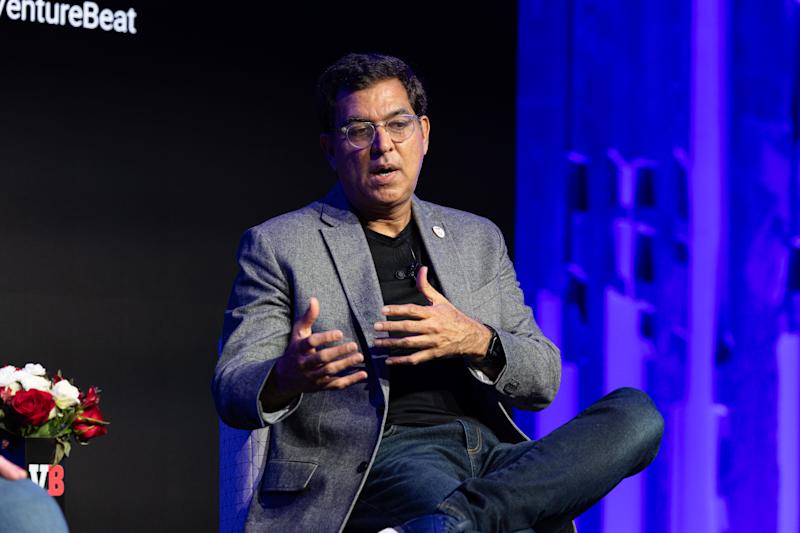
Visa's president of technology, Rajat Taneja, has a wealth of experience in the industry, having run technology strategy, product engineering, and global infrastructure at Visa since 2019. Prior to joining Visa, he served as CTO at Electronic Arts and spent 15 years at Microsoft.
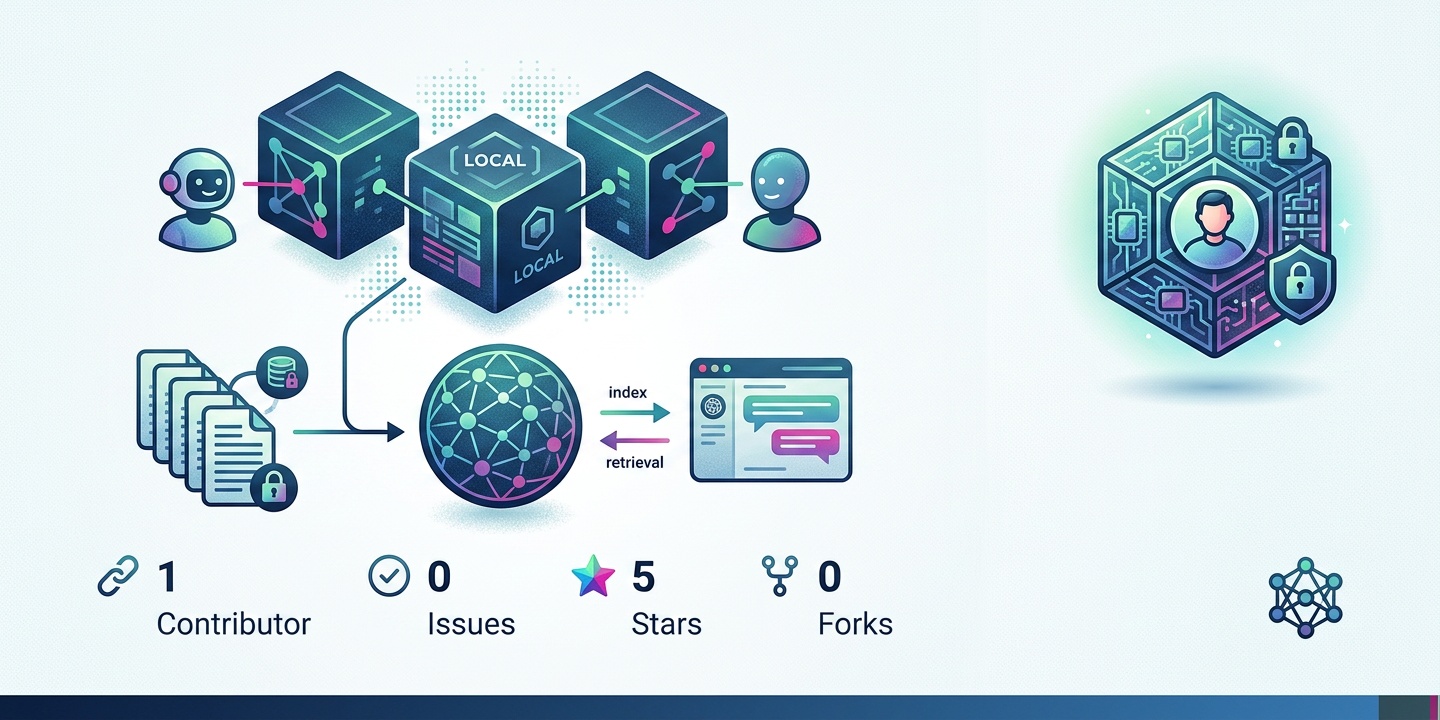
Visa's Vulnerability Agentic Harness is now available on GitHub as a reference implementation for security teams to inspect and adapt to their own needs.
What's Next for Visa and Security
Visa's commitment to security is evident in its ongoing efforts to improve the security of its payment network. The company continues to invest in innovative technologies like Claude Mythos and is exploring new ways to stay ahead of emerging threats.
As the financial industry continues to evolve, companies like Visa will need to stay agile and adaptable in order to protect themselves against emerging threats. By leveraging the power of AI and machine learning, companies can stay ahead of the curve and protect themselves against even the most sophisticated attacks.
Attribution
This article is based on a presentation by Rajat Taneja at the VB Transform 2026 conference and a blog post co-authored by Taneja and Visa's chief information security officer, Subra Kumaraswamy.