Introduction to Local RAG Memory System
The rise of Large Language Models (LLMs) has revolutionized the way we interact with machines, enabling more natural and human-like conversations. However, one of the major pain points of using LLMs is the need to reshare information each time a new chat session is initiated. This can be frustrating for users, as they have to repeat themselves and provide context every time they interact with the model.
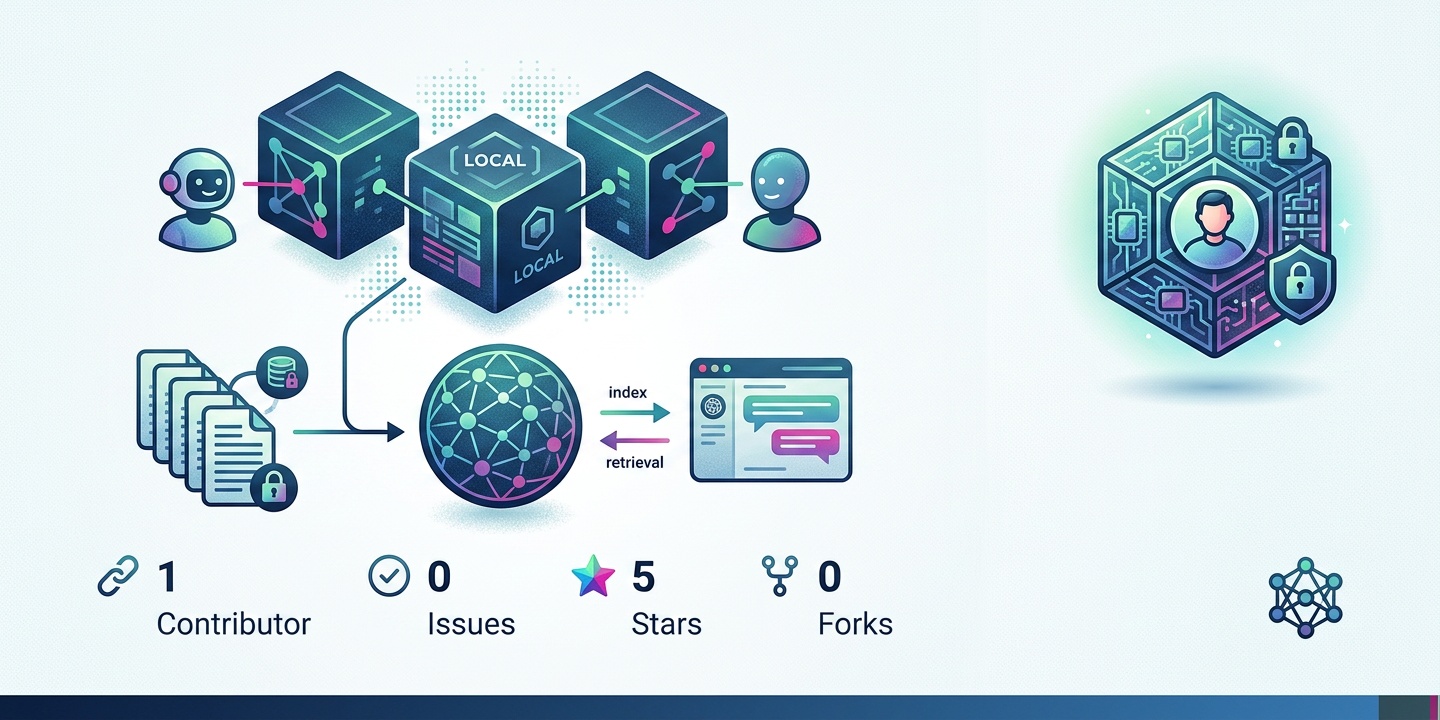
This is where local-memory-mcp comes in, a local RAG memory system that allows LLMs to read and write to a RAG, streamlining information sharing and reducing time and token waste. By providing a local memory system, LLMs can store and retrieve information more efficiently, making the interaction more seamless and enjoyable for users.
The concept of local RAG memory systems is not new, but local-memory-mcp brings a fresh approach to the table. It is designed to be highly scalable and efficient, making it suitable for a wide range of applications, from simple chatbots to complex language understanding systems. With local-memory-mcp, developers can create more sophisticated and user-friendly LLMs that can learn and adapt to user behavior over time.
How Local-Memory-MCP Works
Local-memory-mcp is designed to be an efficient and scalable solution for LLMs, with built-in systems to keep the system efficient, such as a max chunk size and deprecation when information gets updated. This means that users can enjoy a seamless and efficient experience when interacting with LLMs, without the need to constantly reshare information. The system is also highly flexible, allowing developers to customize and fine-tune it to meet their specific needs.
The architecture of local-memory-mcp is based on a simple yet powerful concept. It uses a local memory store to cache information, which can be accessed and updated by the LLM in real-time. This approach enables the model to learn and adapt to user behavior more quickly, providing a more personalized and engaging experience. The system also includes a range of features, such as data compression and encryption, to ensure that user data is protected and secure.
One of the key benefits of local-memory-mcp is its ability to handle large amounts of data. The system is designed to scale horizontally, allowing it to handle increasing amounts of traffic and data without compromising performance. This makes it an ideal solution for applications that require high levels of scalability and reliability, such as customer service chatbots or language translation systems.
Benefits of Using Local-Memory-MCP
The benefits of using local-memory-mcp are numerous, including:
- Reduced time and token waste
- Improved efficiency and scalability
- Enhanced user experience
Overall, local-memory-mcp has the potential to revolutionize the way we interact with LLMs, making information sharing easier, more efficient, and more enjoyable. By providing a local memory system, developers can create more sophisticated and user-friendly LLMs that can learn and adapt to user behavior over time. This can lead to a range of benefits, from improved customer satisfaction to increased productivity and efficiency.
The benefits of local-memory-mcp also extend to the development process. By providing a highly scalable and efficient solution, developers can focus on building more complex and sophisticated LLMs, without worrying about the underlying infrastructure. This can lead to faster development times, lower costs, and improved overall quality.
In addition to its technical benefits, local-memory-mcp also has the potential to improve the user experience. By providing a more seamless and efficient interaction, users can enjoy a more natural and human-like conversation with the model. This can lead to increased engagement, improved satisfaction, and a more positive overall experience.
Use Cases for Local-Memory-MCP
Local-memory-mcp has a wide range of potential use cases, from simple chatbots to complex language understanding systems. Some examples include:
- Customer service chatbots
- Language translation systems
- Virtual assistants
These use cases demonstrate the versatility and flexibility of local-memory-mcp, and its potential to revolutionize the way we interact with LLMs. By providing a highly scalable and efficient solution, developers can create more sophisticated and user-friendly LLMs that can learn and adapt to user behavior over time.
The use cases for local-memory-mcp also extend to more complex and sophisticated applications, such as language understanding systems and virtual assistants. These systems require high levels of scalability, reliability, and efficiency, making local-memory-mcp an ideal solution. By providing a local memory system, developers can create more advanced and user-friendly systems that can learn and adapt to user behavior over time.
Conclusion and Future Directions
In conclusion, local-memory-mcp is a game-changer for LLMs, enabling more efficient and scalable information sharing. By providing a local memory system, developers can create more sophisticated and user-friendly LLMs that can learn and adapt to user behavior over time.
As the technology continues to evolve, we can expect to see even more innovative applications of local RAG memory systems, further enhancing the user experience and pushing the boundaries of what is possible with LLMs. The potential for local-memory-mcp to revolutionize the way we interact with machines is vast, and its impact will be felt across a wide range of industries and applications.
Thanks to the creator of local-memory-mcp for sharing this innovative solution with the community, and we look forward to seeing its impact in the future. The development of local-memory-mcp is a significant step forward in the field of LLMs, and its potential to improve the user experience and enhance the efficiency of LLMs is vast.
Attribution: This article is based on the original post by ptobey on GitHub, https://github.com/ptobey/local-memory-mcp.
Originally reported by hnrss.org. Read the original article.