Introduction to the AI Control Conundrum
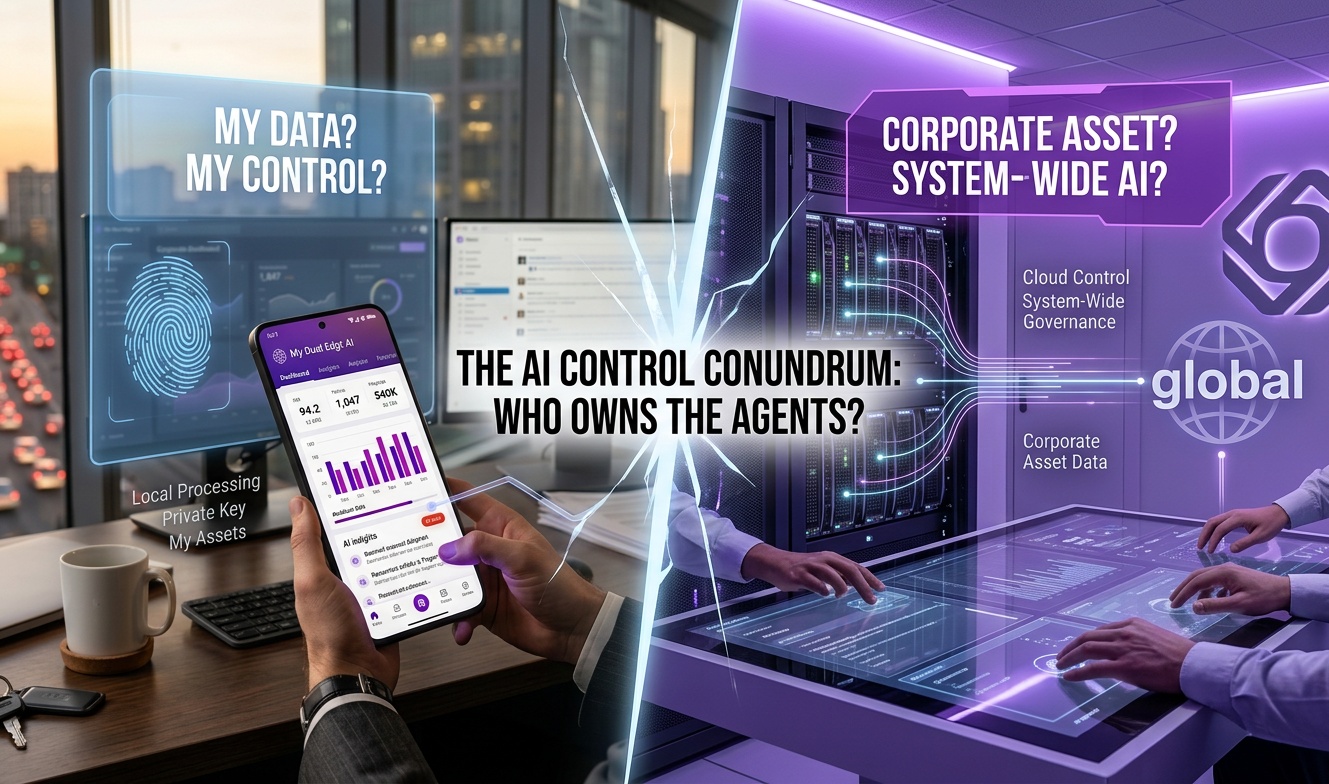
The use of artificial intelligence (AI) is becoming increasingly prevalent in organizations, with many IT teams claiming to have every AI agent under control. However, a recent survey by Ivanti found that only 42% of IT professionals actually know who owns these AI agents, despite 85% claiming a named owner exists.
This significant gap between claimed and actual ownership raises concerns about the security and governance of AI agents in organizations. Organizational leaders are nearly twice as likely to hide their AI use compared to other employees, with 42% of leaders concealing their AI use, compared to 23% of other employees.
The lack of transparency and accountability in AI ownership can have severe consequences, including data breaches, reputational damage, and regulatory non-compliance. It is essential for organizations to address this issue and develop a comprehensive governance framework for AI agents.
Furthermore, the survey highlights the need for organizations to re-evaluate their AI strategies and ensure that they have a clear understanding of who owns and controls their AI agents. This includes establishing clear policies and procedures for the use of AI agents, developing a system for tracking and monitoring AI agents, and providing training and education for employees on the use of AI agents.
The Risks of Uncontrolled AI Agents
The lack of control and ownership of AI agents can pose significant risks to organizations, including data breaches and unauthorized use of customer data. Sam Evans, CISO of Clearwater Analytics, highlighted the risk of employees taking customer data and putting it into an unmanaged AI engine, which could have devastating consequences for the organization.
Menlo Security CEO Bill Robbins also noted that the scale of AI app discovery justifies a posture of containment, rather than discovery. With 50 new AI apps being discovered every day, it is becoming increasingly difficult for organizations to keep track of all the AI agents in use.
The risks associated with uncontrolled AI agents are not limited to data breaches and unauthorized use of customer data. Uncontrolled AI agents can also lead to reputational damage, regulatory non-compliance, and financial losses. It is essential for organizations to take a proactive approach to managing and controlling their AI agents.
Moreover, the use of uncontrolled AI agents can also lead to a lack of accountability and transparency within organizations. Without a clear understanding of who owns and controls AI agents, it can be challenging to identify and address potential security risks and incidents.
Shadow AI and the Fool's Errand of Discovery
Shadow AI refers to the use of AI agents that are not sanctioned or managed by the organization. The discovery of shadow AI can be a challenging task, with many CISOs viewing it as a "fool's errand". Instead, organizations are focusing on containment, rather than discovery, to mitigate the risks associated with shadow AI.
The use of shadow AI can have significant consequences for organizations, including data breaches and reputational damage. It is essential for organizations to develop a governance framework that addresses the use of AI agents and ensures that all AI agents are properly managed and controlled.
Shadow AI can also lead to a lack of visibility and control over AI agents, making it challenging for organizations to ensure compliance with regulatory requirements. Organizations must take a proactive approach to managing and controlling their AI agents, including establishing clear policies and procedures for the use of AI agents.
Furthermore, the use of shadow AI can also lead to a lack of standardization and consistency in AI agent development and deployment. Organizations must establish clear guidelines and standards for AI agent development and deployment to ensure that all AI agents are properly managed and controlled.
Developing a Governance Framework for AI Agents
Developing a governance framework for AI agents requires a comprehensive approach that addresses the use of AI agents across the organization. This includes:
- Establishing clear policies and procedures for the use of AI agents
- Developing a system for tracking and monitoring AI agents
- Providing training and education for employees on the use of AI agents
- Establishing a system for reporting and addressing incidents related to AI agents
By developing a governance framework for AI agents, organizations can ensure that all AI agents are properly managed and controlled, reducing the risks associated with shadow AI and uncontrolled AI agents.
Moreover, a governance framework for AI agents can also help organizations to ensure compliance with regulatory requirements and industry standards. This includes establishing clear guidelines and standards for AI agent development and deployment, as well as providing training and education for employees on the use of AI agents.
A governance framework for AI agents can also help organizations to improve their overall cybersecurity posture. By establishing clear policies and procedures for the use of AI agents, organizations can reduce the risk of data breaches and unauthorized use of customer data.
Best Practices for AI Agent Governance
Establishing a governance framework for AI agents is not a one-time task, but rather an ongoing process that requires continuous monitoring and evaluation. Organizations must regularly review and update their governance framework to ensure that it remains effective and relevant.
Organizations must also establish clear lines of communication and collaboration between different departments and teams to ensure that AI agents are properly managed and controlled. This includes establishing clear roles and responsibilities for AI agent development and deployment, as well as providing training and education for employees on the use of AI agents.
Furthermore, organizations must also establish a culture of transparency and accountability within the organization. This includes providing regular updates and reports on AI agent use and performance, as well as establishing a system for reporting and addressing incidents related to AI agents.
By following these best practices, organizations can ensure that their AI agents are properly managed and controlled, reducing the risks associated with shadow AI and uncontrolled AI agents.
Conclusion
In conclusion, the use of AI agents is becoming increasingly prevalent in organizations, but many IT teams lack control and ownership of these agents. The lack of transparency and accountability in AI ownership can have severe consequences, including data breaches, reputational damage, and regulatory non-compliance.
Organizations must take a proactive approach to managing and controlling their AI agents, including establishing clear policies and procedures for the use of AI agents, developing a system for tracking and monitoring AI agents, and providing training and education for employees on the use of AI agents.
By developing a governance framework for AI agents and following best practices for AI agent governance, organizations can ensure that all AI agents are properly managed and controlled, reducing the risks associated with shadow AI and uncontrolled AI agents.
Attribution: This article was written by the Pitchbar tech news editor, with contributions from various sources, including VentureBeat and Ivanti.