Introduction to AI and Wellbeing
Imagine yourself a decade ago, jumping directly into the present shock of conversing naturally with an encyclopedic AI that crafts images, writes code, and debates philosophy. This technology has the potential to almost certainly transform society, and AI's impact on us so far has been profound.
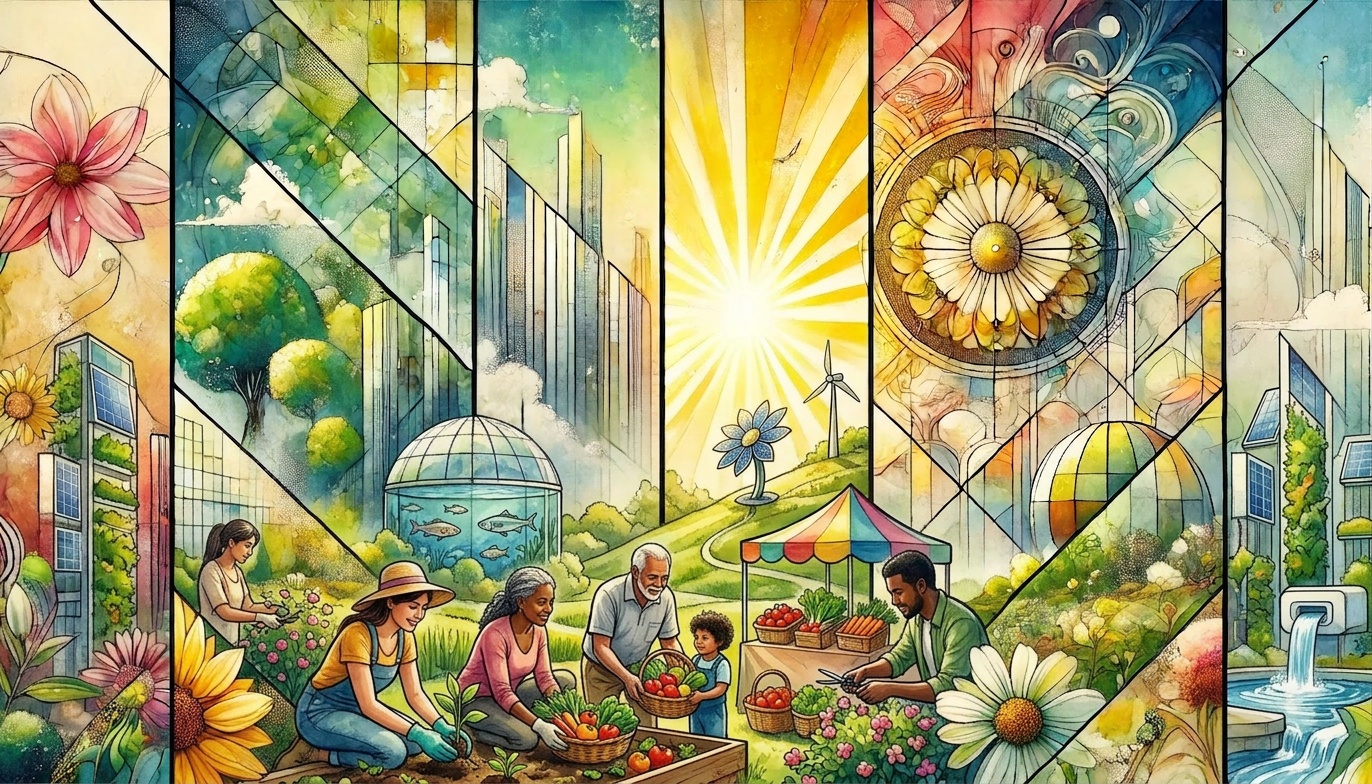
The question is, what kind of future do we want AI to have? Should it be driven solely by profit and efficiency, or should it be grounded in human wellbeing and positive societal impact? The answer to this question will determine the course of AI development and its effects on humanity.
As we move forward, it's essential to consider the potential consequences of our choices. We must think critically about the values we want to instill in AI systems and how they will align with human values such as empathy, fairness, and transparency. By doing so, we can create a future where AI enhances human life without compromising our wellbeing.
The Need for Positive Visions
The current state of AI development is focused on creating systems that can perform specific tasks with high accuracy. However, this narrow focus has led to the creation of AI systems that are often detached from human values and wellbeing.
To create a better future for AI, we need to develop positive visions that are grounded in human wellbeing. This means considering the potential impact of AI on society and ensuring that its development is aligned with human values such as empathy, fairness, and transparency.
Some potential benefits of AI include:
- Improved healthcare outcomes through personalized medicine and disease diagnosis
- Enhanced education through adaptive learning systems and intelligent tutoring
- Increased efficiency and productivity in industries such as manufacturing and transportation
Moreover, AI has the potential to drive innovation and solve complex problems that have plagued humanity for centuries. By harnessing the power of AI, we can create a future where everyone has access to quality education, healthcare, and economic opportunities.
Challenges and Limitations
Despite the potential benefits of AI, there are also challenges and limitations that need to be addressed. These include:
- Job displacement and the potential for widespread unemployment
- Biases and discrimination in AI systems, particularly in areas such as facial recognition and hiring
- Cybersecurity risks and the potential for AI systems to be used for malicious purposes
To overcome these challenges, we need to develop AI systems that are transparent, explainable, and fair. This requires a multidisciplinary approach that involves not only technologists but also social scientists, philosophers, and policymakers.
Furthermore, we must prioritize education and retraining programs that prepare workers for an AI-driven economy. By investing in human capital, we can mitigate the negative effects of job displacement and ensure that everyone has the skills they need to thrive in a rapidly changing world.
The Role of Ethics in AI Development
As AI becomes increasingly integrated into our lives, it's essential to consider the ethical implications of its development. We must ask ourselves questions like: What are the potential consequences of creating autonomous systems that can make decisions without human oversight?
How can we ensure that AI systems are aligned with human values such as empathy, fairness, and transparency? What are the potential risks and benefits of using AI in areas such as healthcare, education, and national security?
By grappling with these questions, we can develop a framework for AI development that prioritizes human wellbeing and positive societal impact. This requires a nuanced understanding of the complex relationships between technology, society, and human values.
Conclusion
The future of AI is not yet written, and it is up to us to determine the course of its development. By prioritizing human wellbeing and positive societal impact, we can create a future for AI that is beneficial for all.
This article was written by the team at Pitchbar, a startup community focused on promoting positive visions for AI and technology. We believe that by working together, we can create a future where AI enhances human life without compromising our wellbeing.
Source: The Gradient