Introduction to Gene Editing
Gene editing technology has been rapidly advancing in recent years, with the potential to revolutionize the treatment and prevention of genetic diseases. One of the most promising applications of gene editing is in the field of human embryos, where it could be used to prevent devastating diseases from being passed down to future generations.
However, the use of gene editing in human embryos is a highly controversial topic, with many critics warning about the potential risks and unintended consequences of such technology. In this article, we will explore the latest developments in gene editing in human embryos and the reignited debate on designer babies.
The Science Behind Gene Editing
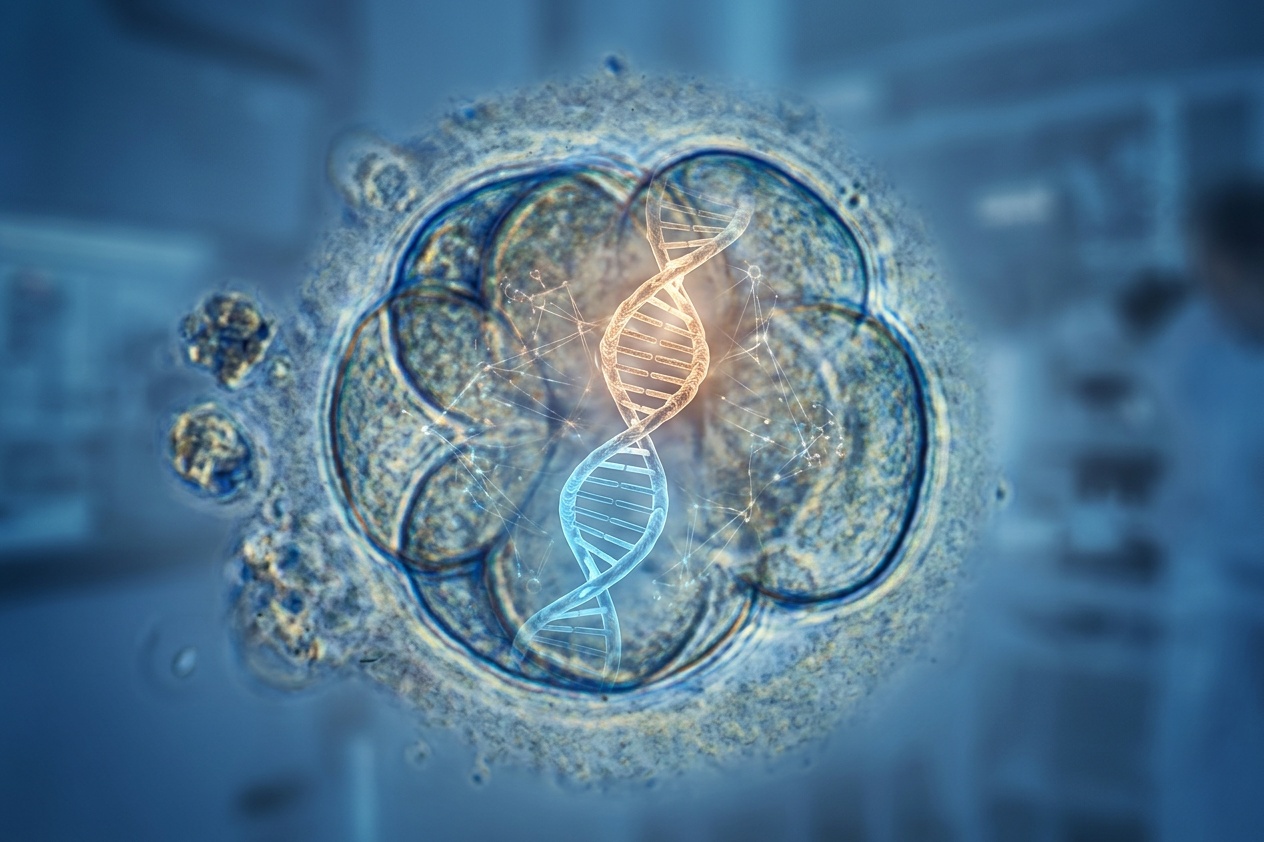
Gene editing technology, such as CRISPR-Cas9, allows scientists to make precise changes to the DNA of human embryos. This technology has the potential to correct genetic mutations that cause inherited diseases, such as sickle cell anemia and cystic fibrosis.
The process of gene editing in human embryos involves several steps. First, the embryos are created using in vitro fertilization (IVF). Then, the gene editing technology is used to make the desired changes to the DNA of the embryos. Finally, the edited embryos are implanted into the womb, where they can develop into healthy babies.
The Debate on Designer Babies
The use of gene editing in human embryos has sparked a heated debate on the topic of designer babies. Some people argue that gene editing is a powerful tool that can be used to prevent genetic diseases and improve human health. Others, however, warn that gene editing could be used to create designer babies, where parents can choose the physical and genetic characteristics of their children.
There are several concerns about the use of gene editing in human embryos. One of the main concerns is the potential for unintended consequences, such as off-target effects, where the gene editing technology makes changes to the wrong parts of the genome. Another concern is the potential for mosaicism, where the edited genes are not present in all cells of the body.
Commercial Embryo Editing
One of the most concerning aspects of gene editing in human embryos is the potential for commercial embryo editing. Some companies are already offering gene editing services to prospective parents, where they can choose to edit the genes of their embryos to prevent genetic diseases or to enhance certain traits.
However, the use of gene editing for commercial purposes is highly regulated and is subject to strict safety and efficacy standards. The FDA has warned that gene editing is still an experimental technology and that it should only be used in clinical trials, where the risks and benefits can be carefully monitored.
Conclusion
In conclusion, the use of gene editing in human embryos is a highly controversial topic that raises important questions about the ethics and safety of such technology. While gene editing has the potential to prevent devastating diseases, it also raises concerns about the potential for designer babies and commercial embryo editing.
As the debate on gene editing in human embryos continues, it is essential to consider the potential risks and benefits of such technology. We must ensure that gene editing is used responsibly and with caution, and that we prioritize the safety and well-being of human embryos and the children they will become.
Attribution: This article was written by the Pitchbar tech news editor, with contributions from various experts in the field of gene editing and biotechnology.
Originally reported by singularityhub.com. Read the original article.