
Introduction to AGI and Multimodal Models
The recent advancements in generative AI models have led some to believe that Artificial General Intelligence (AGI) is on the horizon. These models, capable of generating human-like text and images, seem to capture the essence of human intelligence. However, this perception may be misguided, as it overlooks the complexities of human thought and understanding.
As Terry Winograd notes, 'In projecting language back as the model for thought, we lose sight of the tacit embodied understanding that undergirds our intelligence.' This quote highlights the importance of considering the role of embodied cognition in achieving true intelligence.
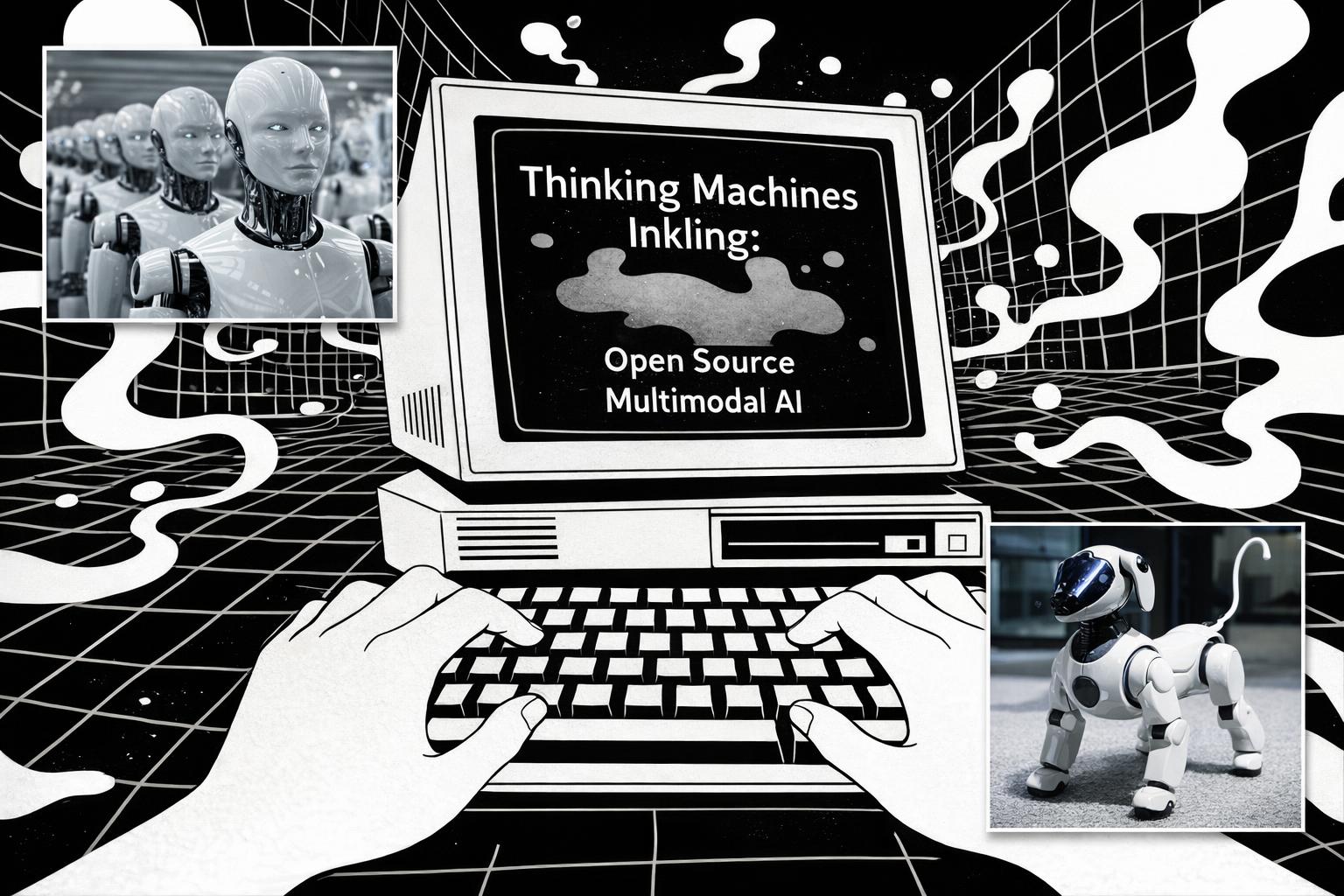
Moreover, the concept of multimodal models, which refers to the ability of AI systems to process and generate multiple forms of data, such as text, images, and audio, has been touted as a key aspect of AGI. However, this approach may be limited in its ability to capture the full range of human experience and understanding.
For instance, while multimodal models can generate human-like text and images, they lack the ability to perceive and interact with the physical world in the same way that humans do. This limitation highlights the need for a more comprehensive approach to AGI, one that incorporates embodied cognition and sensorimotor experiences.
The Limitations of Language-Based Models
Current AGI models rely heavily on language understanding, which is a significant limitation. Language is just one aspect of human intelligence, and it does not encompass the full range of human experience and understanding. These models lack the embodied cognition that is essential for true intelligence, which includes the ability to perceive, interact with, and understand the physical world.
For instance, a child learns to navigate the world through a combination of sensory experiences, including touch, sight, and sound. This multisensory approach to learning is fundamental to human development and is lacking in current AGI models. By focusing solely on language, we risk creating models that are narrow and limited in their understanding.
Furthermore, language-based models are often trained on large datasets of text, which can perpetuate biases and limitations present in the data. This can result in models that are not only limited in their understanding but also discriminatory and unfair.
To overcome these limitations, it is essential to develop models that incorporate embodied cognition and sensorimotor experiences. This may involve using techniques such as reinforcement learning, which allows models to learn through trial and error, and incorporating data from multiple sources, such as vision, hearing, and touch.
The Importance of Embodied Cognition
Embodied cognition refers to the idea that the mind is not just located in the brain but is distributed throughout the body and shaped by its interactions with the environment. This concept is crucial for understanding human intelligence, as it highlights the importance of sensorimotor experiences in shaping our perceptions and understanding of the world.
Some key aspects of embodied cognition include:
- sensorimotor integration: the ability to integrate sensory information from the environment with motor responses
- perceptual learning: the ability to learn from sensory experiences and adapt to new situations
- action understanding: the ability to understand the actions and intentions of others
These aspects of embodied cognition are essential for achieving true intelligence and are currently lacking in AGI models. By incorporating embodied cognition into AGI research, we may be able to create more comprehensive and human-like models of intelligence.
For example, researchers have used embodied cognition to develop models that can learn to navigate complex environments through trial and error. These models use sensorimotor experiences to learn about the environment and adapt to new situations, demonstrating the potential of embodied cognition for AGI.
Embodied Cognition in AGI Research
Embodied cognition has been largely overlooked in AGI research, with most models focusing on language understanding and neglecting the role of sensorimotor experiences. However, there is a growing recognition of the importance of embodied cognition for achieving true intelligence.
Researchers are beginning to explore new approaches to AGI that incorporate embodied cognition, such as using robotics and virtual reality to provide models with sensorimotor experiences. These approaches have the potential to create more comprehensive and human-like models of intelligence.
For instance, researchers have used robotics to develop models that can learn to manipulate objects and interact with the physical world. These models use sensorimotor experiences to learn about the environment and adapt to new situations, demonstrating the potential of embodied cognition for AGI.
Moreover, the use of virtual reality in AGI research has the potential to provide models with a wide range of sensorimotor experiences, from navigating complex environments to interacting with virtual objects. This can help to create more comprehensive and human-like models of intelligence.
Conclusion and Future Directions
In conclusion, the pursuit of AGI is a complex and challenging task that requires a deeper understanding of human intelligence and cognition. While current models have shown impressive capabilities, they are limited by their focus on language understanding and lack of embodied cognition. By recognizing the importance of embodied cognition and incorporating it into AGI research, we may be able to create more advanced and human-like models of intelligence.
As we move forward in AGI research, it is essential to consider the role of embodied cognition and its implications for achieving true intelligence. This may involve exploring new approaches to AI development, such as incorporating sensorimotor experiences and perceptual learning into AGI models. By doing so, we may be able to create models that are more comprehensive, flexible, and human-like in their understanding and capabilities.
Furthermore, the development of AGI has the potential to revolutionize numerous fields, from healthcare and education to transportation and manufacturing. By creating models that are more human-like in their understanding and capabilities, we may be able to develop more effective and efficient solutions to complex problems.
This article was written by the Pitchbar tech news editor for the startup community, with contributions from various experts in the field of AI and cognitive science. The views and opinions expressed in this article are those of the authors and do not necessarily reflect the views of Pitchbar or its affiliates.
Source: thegradient.pub
URL: https://thegradient.pub/agi-is-not-multimodal