
Introduction to BitVanes
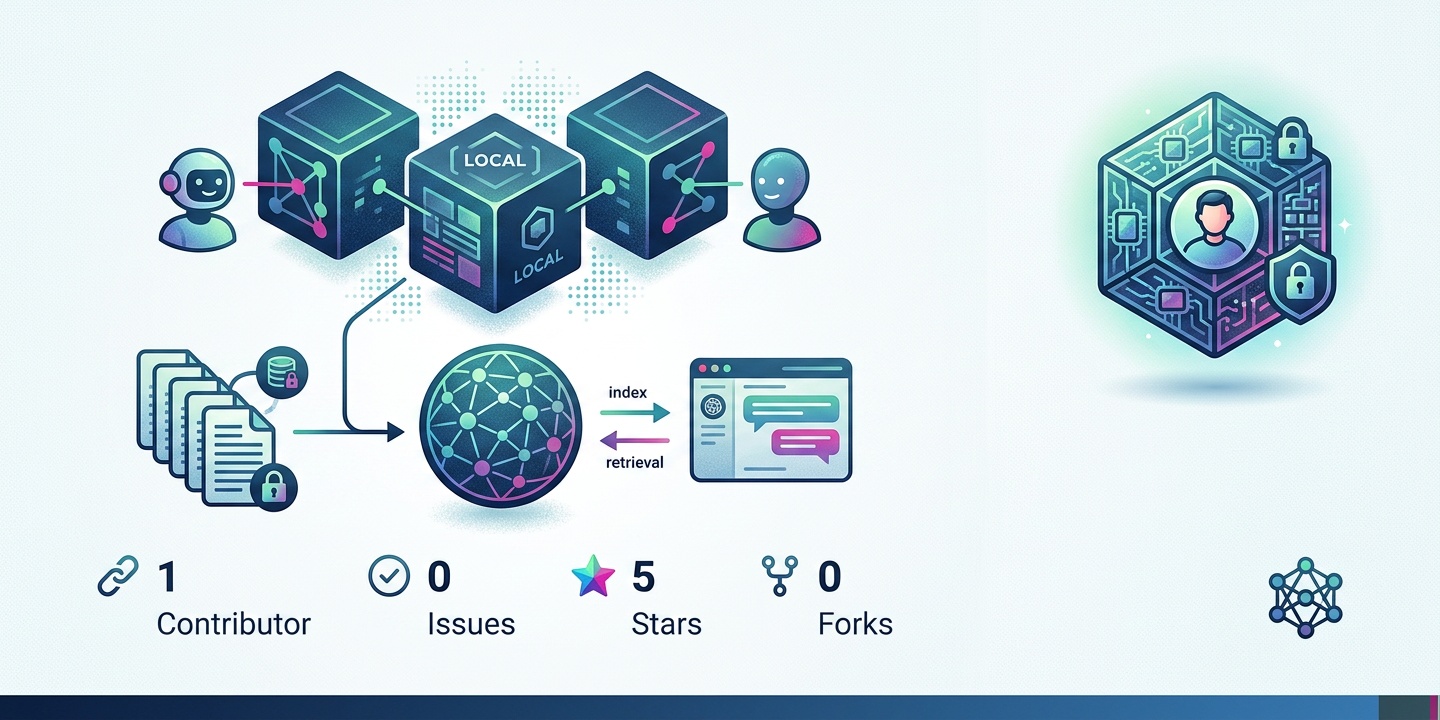
Most RAG pipelines ship raw, sensitive documents over the wire to cloud services just to get them parsed, scrubbed of PII, chunked, and vectorized. This approach poses significant security risks, as sensitive information is exposed to potential breaches.
BitVanes is a zero-trust, local-first ETL engine designed to solve this problem. It's written in Rust, spits out Apache Arrow RecordBatches, and compiles to both a native CLI and WebAssembly, allowing you to run the entire pipeline directly in a browser sandbox.
The need for a secure data processing solution like BitVanes has never been more pressing. With the increasing amount of sensitive data being generated and processed, companies must prioritize security to protect their customers' information and maintain trust.
In this article, we will delve into the key features and technical details of BitVanes, exploring how it addresses the security concerns associated with traditional RAG pipelines and what benefits it offers to companies looking to protect sensitive information.
Key Features of BitVanes
BitVanes has several key features that make it an attractive solution for secure data processing:
- Zero-trust architecture: BitVanes keeps sensitive documents secure by processing them locally, without shipping them to cloud services.
- Local-first approach: BitVanes runs entirely on the client-side, eliminating the need for cloud services and reducing the risk of data breaches.
- Rust-based: BitVanes is written in Rust, a systems programming language that prioritizes security and performance.
- Apache Arrow integration: BitVanes outputs Apache Arrow RecordBatches, making it easy to integrate with other tools and systems that support Arrow.
These features combined provide a robust and secure data processing solution that companies can rely on to protect sensitive information. By processing data locally and using a zero-trust architecture, BitVanes minimizes the risk of data breaches and ensures that sensitive information remains secure.
The use of Rust as the programming language for BitVanes is also significant. Rust's focus on security and performance makes it an ideal choice for building a secure data processing engine. Additionally, the integration with Apache Arrow provides a standardized format for data exchange, making it easier to integrate BitVanes with other tools and systems.
Technical Details
BitVanes is designed to be highly performant and efficient. It uses Rust's ownership system and borrow checker to ensure memory safety, and it compiles to WebAssembly, allowing it to run in a browser sandbox.
The core and CLI components of BitVanes are available on GitHub, and the wasm version can be found at the posted URL. The developer is seeking feedback on the architecture, particularly around using Arrow and the Rust-to-JS design for PDFs.
One of the key technical advantages of BitVanes is its ability to compile to WebAssembly. This allows the engine to run in a browser sandbox, providing an additional layer of security and isolation. The use of WebAssembly also enables BitVanes to run on a wide range of platforms, from desktop browsers to mobile devices.
The performance of BitVanes is also noteworthy. The engine is designed to be highly efficient, using Rust's ownership system and borrow checker to ensure memory safety. This results in a fast and reliable data processing engine that can handle large volumes of data without compromising performance.
Use Cases for BitVanes
BitVanes is a versatile data processing engine that can be used in a wide range of scenarios. Its zero-trust architecture and local-first approach make it an ideal solution for companies that need to process sensitive information, such as financial institutions, healthcare organizations, and government agencies.
One potential use case for BitVanes is in the processing of sensitive documents, such as financial reports or medical records. By using BitVanes, companies can ensure that these documents are processed securely and efficiently, without exposing sensitive information to potential breaches.
Another potential use case for BitVanes is in the analysis of large datasets. The engine's ability to compile to WebAssembly and run in a browser sandbox makes it an ideal solution for data scientists and analysts who need to process large volumes of data without compromising security.
Conclusion
BitVanes is a promising solution for secure data processing. Its zero-trust architecture, local-first approach, and Rust-based design make it an attractive option for companies looking to protect sensitive information. With its Apache Arrow integration and WebAssembly compilation, BitVanes is well-suited for a wide range of use cases.
The benefits of using BitVanes are clear. By processing data locally and using a zero-trust architecture, companies can minimize the risk of data breaches and ensure that sensitive information remains secure. The use of Rust and WebAssembly also provides a high level of performance and efficiency, making BitVanes a reliable and fast data processing engine.
As the amount of sensitive data being generated and processed continues to grow, the need for secure data processing solutions like BitVanes will only increase. By prioritizing security and using a zero-trust architecture, companies can protect sensitive information and maintain trust with their customers.
Attribution: This article is based on the original post on HN, with additional research and analysis by the Pitchbar tech news team.
Originally reported by hnrss.org. Read the original article.