
Introduction to AI Agents and Shared Memory
Artificial intelligence (AI) has become an integral part of many industries, with AI agents being used to automate tasks and improve productivity. However, one of the major challenges faced by teams using AI agents is the lack of shared memory. When someone on a team corrects an AI agent, that improvement disappears the moment a colleague opens the same tool.
This problem compounds in multi-agent workflows, where teams expect agents to share context across users and tasks. Without a shared memory layer, every team member effectively trains a different version of the same agent — and those versions never sync. This gap shows up in the numbers, with 75% of knowledge workers using AI on the job, but only 5% of companies reporting productivity gains.
The lack of shared memory in AI agents can lead to a range of issues, including decreased productivity, increased errors, and reduced collaboration. As teams grow and become more complex, the need for shared memory in AI agents becomes even more critical. By providing a shared memory layer, teams can ensure that AI agents are working together seamlessly, providing accurate and relevant results.
Furthermore, the lack of shared memory in AI agents can also lead to a lack of transparency and accountability. When AI agents are not sharing knowledge and context, it can be difficult to track their decision-making processes and identify areas for improvement. By providing a shared memory layer, teams can gain greater insight into the workings of their AI agents, allowing them to refine and improve their performance over time.
The Importance of Shared Memory in AI Agents
Shared memory is essential for AI agents to learn and improve over time. When AI agents can share context and knowledge, they can provide more accurate and relevant results. However, most AI agents lack this shared memory layer, leading to a lack of productivity gains.
As Asana Chief Product Officer Arnab Bose told VentureBeat, 'Model providers are getting really, really good at improving reasoning and retry loops, but what they’re not good at is bringing the enterprise work context in a way that human beings can reason about for shared memory.' This highlights the need for a platform that can provide shared memory for AI agents.
The importance of shared memory in AI agents cannot be overstated. By providing a shared memory layer, teams can unlock the full potential of their AI agents, enabling them to work together more effectively and achieve better outcomes. Shared memory is critical for AI agents to learn from their mistakes, adapt to new situations, and provide accurate and relevant results.
In addition, shared memory in AI agents can also enable more effective collaboration between humans and machines. By providing a shared understanding of the work context, AI agents can work alongside humans, providing support and guidance where needed. This can lead to increased productivity, improved accuracy, and enhanced collaboration.
Asana's Agentic Work Management Platform
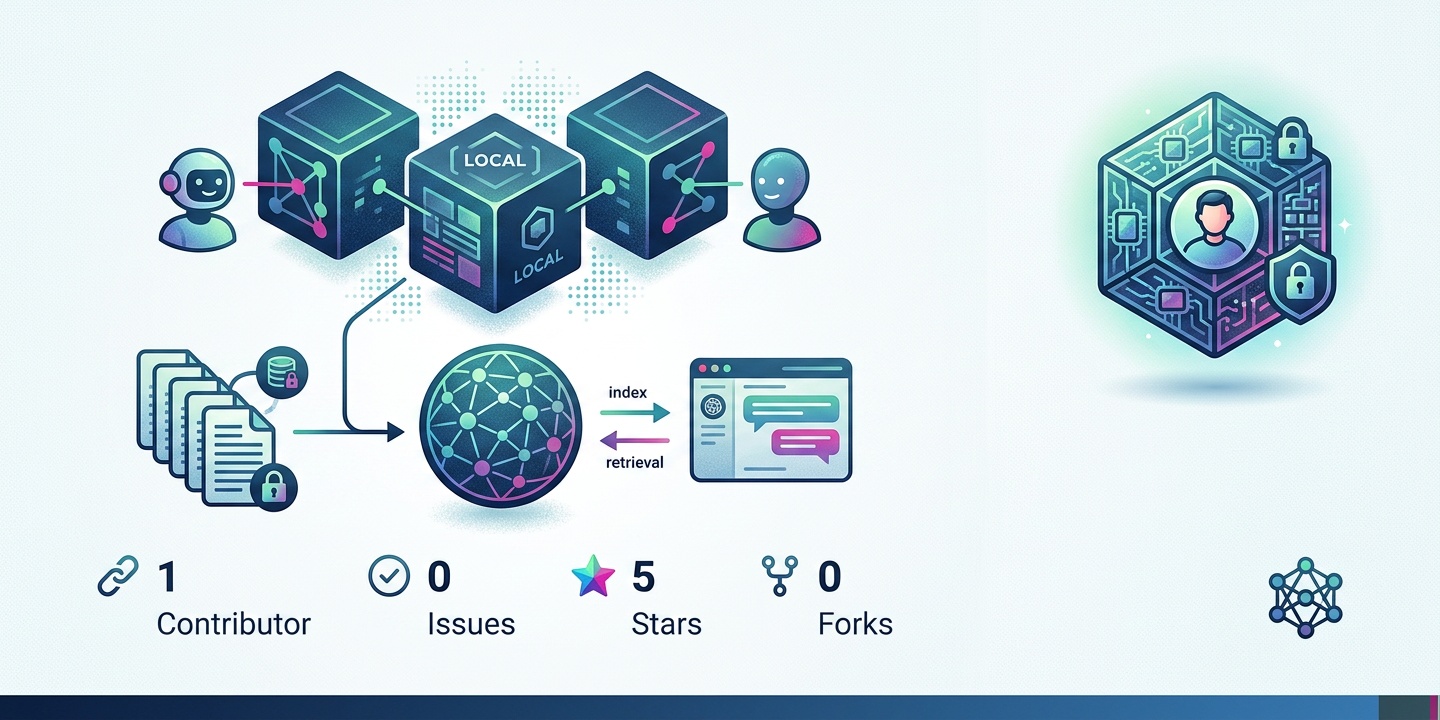
Asana's Agentic Work Management platform aims to address the issue of AI agents lacking shared memory. The platform ensures that if any team member corrects an agent, that correction applies to everyone else on the team. This is achieved through a context graph that allows AI agents to share knowledge and context.
The platform provides several benefits, including improved productivity, enhanced collaboration, and increased accuracy. By providing a shared memory layer, Asana's platform enables AI agents to learn and improve over time, leading to better outcomes for teams.
Asana's Agentic Work Management platform is designed to provide a seamless and intuitive experience for teams. The platform is easy to use, with a user-friendly interface that allows teams to quickly and easily integrate AI agents into their workflows. The platform also provides real-time feedback and analytics, enabling teams to track the performance of their AI agents and identify areas for improvement.
The platform's context graph is a critical component of its shared memory layer. The context graph provides a shared understanding of the work context, allowing AI agents to share knowledge and context. This enables AI agents to work together seamlessly, providing accurate and relevant results.
Benefits of Asana's Agentic Work Management Platform
The benefits of Asana's platform are numerous. Some of the key benefits include:
- Improved productivity: By providing a shared memory layer, AI agents can learn and improve over time, leading to increased productivity.
- Enhanced collaboration: The platform enables teams to work together more effectively, with AI agents providing accurate and relevant results.
- Increased accuracy: With a shared memory layer, AI agents can provide more accurate results, reducing errors and improving outcomes.
In addition to these benefits, Asana's platform also provides a range of other advantages. The platform is highly scalable, allowing it to support large and complex teams. The platform is also highly secure, with robust security measures in place to protect sensitive data.
The platform's real-time feedback and analytics capabilities are also a key benefit. These capabilities enable teams to track the performance of their AI agents, identify areas for improvement, and refine their workflows over time. This leads to increased productivity, improved accuracy, and enhanced collaboration.
Real-World Applications of Asana's Agentic Work Management Platform
Asana's Agentic Work Management platform has a range of real-world applications. The platform can be used in a variety of industries, including healthcare, finance, and technology. The platform can be used to support a range of use cases, including customer service, sales, and marketing.
The platform's shared memory layer makes it particularly well-suited to applications where multiple AI agents need to work together. For example, in a customer service application, multiple AI agents may need to work together to provide a seamless and intuitive experience for customers. Asana's platform enables these AI agents to share knowledge and context, providing accurate and relevant results.
The platform's scalability and security make it well-suited to large and complex applications. The platform can support thousands of users, making it an ideal solution for large enterprises. The platform's security measures also make it an ideal solution for applications where sensitive data is involved.
In conclusion, Asana's Agentic Work Management platform addresses the issue of AI agents lacking shared memory. By providing a context graph that allows AI agents to share knowledge and context, the platform enables teams to work more effectively and achieve better outcomes.
This article was written by the Pitchbar tech news editor for the startup community, with information sourced from VentureBeat.
Attribution: This article is based on a report by VentureBeat, with additional insights and analysis provided by the Pitchbar tech news editor.