Introduction to AI Regulation
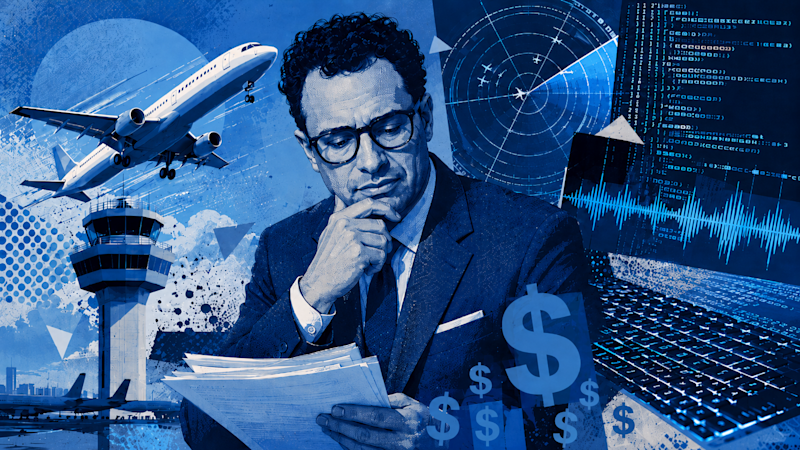
The AI industry has been rapidly evolving, with new models and technologies being released at an unprecedented rate. However, as the capabilities of these models grow, so do the potential risks and misuses. In a recent essay, Anthropic co-founder and CEO Dario Amodei called for new government regulations governing the release of powerful AI models, comparing the industry to commercial aviation, which is regulated by the U.S. Federal Aviation Administration (FAA).
This comparison is not without merit, as both industries have the potential to impact public safety on a large scale. Just as the FAA regulates the aviation industry to ensure the safety of passengers and crew, Amodei argues that similar regulations are needed for the AI industry to prevent potential misuses and maintain public safety.
The Need for Regulation
The need for regulation in the AI industry is becoming increasingly clear. As AI models become more powerful and sophisticated, they also become more capable of causing harm if misused. For example, advanced language models like Claude Fable 5, recently released by Anthropic, have the potential to be used for malicious purposes such as spreading disinformation or generating harmful content.
Furthermore, the potential risks associated with AI are not limited to intentional misuses. As AI models become more complex, they also become more difficult to understand and predict, which can lead to unintended consequences. For instance, an AI model designed to optimize a particular process may end up causing unforeseen harm if it is not properly designed or tested.
A key challenge in regulating the AI industry is the rapid pace of innovation, which can make it difficult for regulators to keep up with the latest developments. However, this challenge also highlights the need for flexible and adaptive regulatory frameworks that can evolve alongside the industry.
Proposed Regulations
Anthropic has released two comprehensive policy roadmaps, the Advanced AI Framework and the Economic Policy Framework, which outline potential regulations for the AI industry. The Advanced AI Framework targets catastrophic model risks, while the Economic Policy Framework addresses AI-driven labor displacement.
Some potential regulations that may be implemented include:
- Transparency requirements for AI models, including information about their capabilities, limitations, and potential risks
- Testing and validation protocols to ensure that AI models are safe and effective
- Regulations on the use of AI models for certain purposes, such as surveillance or autonomous weapons
- Requirements for AI developers to implement safety measures, such as auditing and monitoring systems
These proposed regulations have the potential to significantly impact the development and deployment of AI models, and could help to mitigate some of the risks associated with the technology. However, they also raise important questions about the balance between regulation and innovation, and the potential impact on the competitiveness of the AI industry.
Implications for Enterprises
The proposed regulations for the AI industry have significant implications for enterprises that develop or use AI models. Companies will need to ensure that their AI models comply with any new regulations, which may require significant changes to their development and deployment processes.
Additionally, enterprises will need to consider the potential risks and benefits of using AI models, and take steps to mitigate any potential harm. This may include implementing safety measures, such as auditing and monitoring systems, and ensuring that their AI models are transparent and explainable.
Overall, the proposed regulations for the AI industry have the potential to significantly impact enterprises that develop or use AI models. By understanding the need for regulation and the potential implications, companies can prepare themselves for the changing landscape of the AI industry.
Enterprises should also be aware of the potential benefits of regulation, such as increased public trust and confidence in AI technology. By working with regulators and industry stakeholders to develop and implement effective regulations, companies can help to ensure that the benefits of AI are realized while minimizing the risks.
Conclusion
In conclusion, the call for FAA-style regulation of powerful AI models is an important step towards ensuring the safe and responsible development of AI technology. As the AI industry continues to evolve, it is essential that regulators, industry stakeholders, and enterprises work together to develop and implement effective regulations that balance innovation with safety and responsibility.
The proposed regulations outlined by Anthropic and other industry stakeholders provide a starting point for this conversation, and highlight the need for ongoing dialogue and collaboration to address the complex challenges and opportunities presented by AI.
By working together to develop and implement effective regulations, we can help to ensure that the benefits of AI are realized while minimizing the risks, and create a future where AI is developed and used in ways that benefit society as a whole.
This article was written by the Pitchbar tech news editor for the startup community, with information and insights from venturebeat.com.
Originally reported by venturebeat.com. Read the original article.