Introduction to AI Model Strategy
Artificial intelligence (AI) has become a crucial component of many enterprises' operations. However, the recent controversy surrounding Anthropic's Claude Fable 5 model has highlighted the importance of having a hedged AI model strategy. In this article, we will explore the reasons why enterprises are reducing their vendor dependency by hedging their AI model strategy.
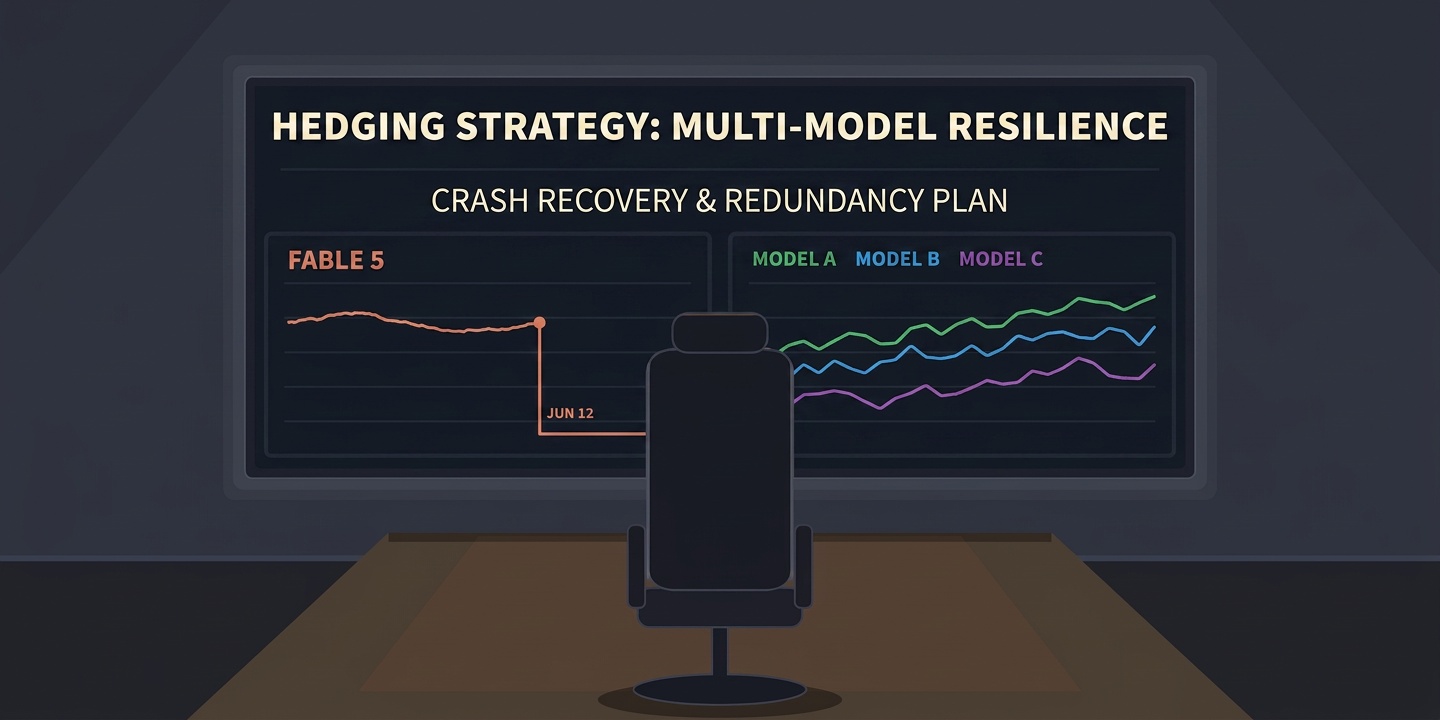
The U.S. export-control order that pulled Claude Fable 5 offline for every customer has shown that vendor dependency can be a significant risk for enterprises. The model's brief disappearance has put a spotlight on the need for enterprises to have a diversified AI model strategy.
New VentureBeat Pulse Research has surveyed 145 enterprises and found that two-thirds had already hedged their model strategy before the order came down. This includes 51% of enterprises that blend closed frontier models with open-weight models deployed on their own infrastructure, and another 16% that are moving core workflows off closed APIs entirely.
The survey also found that the majority of enterprises are taking a proactive approach to mitigating the risks associated with vendor dependency. By diversifying their AI model portfolio and deploying open-weight models on their own infrastructure, enterprises can reduce their reliance on a single vendor and improve their overall resilience.
Vulnerabilities of Vendor Dependency
Vendor dependency is a significant risk for enterprises that rely heavily on closed ecosystems. When the model you rely on disappears, it can have severe consequences for your operations. The blackout of Claude Fable 5 has shown that enterprises need to have a plan in place to mitigate this risk.
One of the main vulnerabilities of vendor dependency is the lack of monitoring and control. Most enterprises lack the monitoring to know when an AI system they've put into production stops working. This can lead to significant downtime and revenue loss.
To mitigate this risk, enterprises are turning to hedging their AI model strategy. This includes diversifying their AI model portfolio, deploying open-weight models on their own infrastructure, and moving core workflows off closed APIs.
Another vulnerability of vendor dependency is the risk of data lock-in. When an enterprise relies on a single vendor for its AI models, it can be difficult to switch to a different vendor if needed. This can lead to a lack of flexibility and scalability, making it harder for enterprises to adapt to changing market conditions.
Benefits of Hedging AI Model Strategy
Hedging AI model strategy can have several benefits for enterprises. These include:
- Reduced vendor dependency
- Improved monitoring and control
- Increased flexibility and scalability
- Better risk management
By hedging their AI model strategy, enterprises can reduce their reliance on a single vendor and improve their overall resilience. This can help them to stay competitive in a rapidly changing market.
Additionally, hedging AI model strategy can also provide enterprises with more flexibility and scalability. By deploying open-weight models on their own infrastructure, enterprises can quickly adapt to changing market conditions and scale their AI operations as needed.
Furthermore, hedging AI model strategy can also provide enterprises with better risk management. By diversifying their AI model portfolio and deploying open-weight models on their own infrastructure, enterprises can reduce their risk of data lock-in and improve their overall security.
Best Practices for Hedging AI Model Strategy
To hedge their AI model strategy effectively, enterprises should follow several best practices. These include:
- Diversifying their AI model portfolio
- Deploying open-weight models on their own infrastructure
- Moving core workflows off closed APIs
- Implementing robust monitoring and control systems
By following these best practices, enterprises can reduce their vendor dependency and improve their overall resilience. This can help them to stay competitive in a rapidly changing market and achieve their business goals.
Moreover, enterprises should also consider implementing a hybrid approach to AI model strategy. This involves combining closed frontier models with open-weight models deployed on their own infrastructure. This approach can provide enterprises with the benefits of both worlds, including improved accuracy and flexibility.
Conclusion
In conclusion, the recent controversy surrounding Claude Fable 5 has highlighted the importance of having a hedged AI model strategy. Enterprises are reducing their vendor dependency by hedging their AI model strategy, and this trend is likely to continue. By diversifying their AI model portfolio and deploying open-weight models on their own infrastructure, enterprises can improve their monitoring and control, reduce their risk, and stay competitive in a rapidly changing market.
As the AI landscape continues to evolve, it is essential for enterprises to stay ahead of the curve. By adopting a hedged AI model strategy, enterprises can reduce their vendor dependency and improve their overall resilience. This can help them to achieve their business goals and stay competitive in a rapidly changing market.
Attribution: This article is based on a report by VentureBeat Pulse Research and is intended to provide general information about AI model strategy and vendor dependency.
Source: venturebeat.com
URL: https://venturebeat.com/orchestration/enterprises-lost-claude-fable-5-for-a-few-weeks-new-data-shows-two-thirds-had-already-built-their-hedge